
 Lost/Found
 How It Works
 Join/Login

Dog escaped from groomers: What to do immediately?
Dog escaped from groomers: What to do immediately?

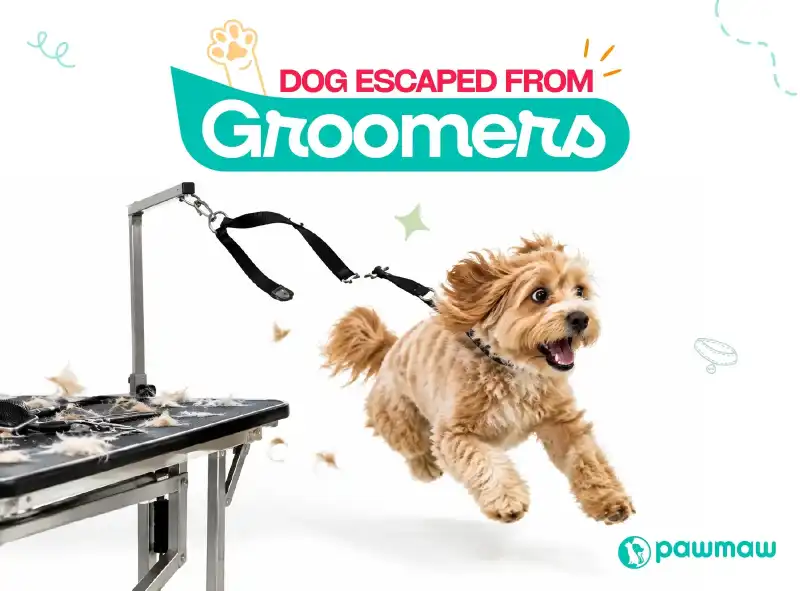
A dog that escaped from groomers can be scared and confused at a time. Whether intentionally or accidentally, the dog escaped; just do not wait for its own return. Start searching immediately and alert people nearby. You can also report your dog through a lost pet service so more people can watch for sightings.
Use familiar scent and things to attract your dog towards you. And most importantly, when you see your dog, do not start to scold it; do not even call it loudly. Be calm, be polite, and keep patience. Let your dog approach to you, instead you chase it unnecessarily.
Let's see the details of what you are supposed to do when your dog escapes from the groomers' facility!
Immediate Actions If a Dog Escapes From the Groomers
First, be calm. Your unnecessary panic is never going to bring your dog back. And never do any negative approach to the groomers from which your dog went missing or escaped. Immediately start searching from the grooming facility. Ask the groomers when your dog last appeared there. Search near the grooming facility.
Places like nearby streets, parking areas, alleys, parks, bushes, and any other places where your dog may hide or cover well. Also ask the nearby shop whether they have seen your dog or not. Use your dog's recent photos to get an authentic result.
Start Searching Immediately
Whenever you get the information about your dog escaping, just start searching for it online and offline. To find a lost dog, start at the grooming facility and search the nearby streets, parking areas, alleys, bushes, parks, and other places where your dog could hide. Then post a recent photo and identifying details on local social media groups.
Don't chase
Do not scold or chase if you see your dog is running away from you. It is also possible that your dog is disturbed in any way at the groomers, or scared of anything. So it is trying to find a safe place instantly. In that case, if you see your dog is running, and if you start to chase it, it will never take you positively. Rather be polite. Stay calm. Better, you turn around and sit aside. See whether your dog is coming to you or not. If your dog does not come, that means you have to take other action to bring it back.
Use Scent Items & Familiar Sounds
Familiar scents can help when your dog is hiding nearby. Since dogs respond strongly to familiar smells they love, place their blanket, bedding, favorite toy, or a piece of your unwashed clothing near the last known location. You can also use a familiar voice or the sound of a treat container to encourage your dog to come closer.
The gist is to use something that bears your dog's own smell; sometimes you can use your unwashed clothes, from which your dog will get your scent. Put those things near your home, or the last known place your dog has been. Also shake the container of your dog’s favourite treat; it works like magic.
Contact Local Shelters & Animal Control Immediately
You continue searching for your dog. Along with this, contact local shelters and animal control immediately. Of course, take your dog's clear recent photos with other body identification information before you contact these organisations. Provide your updated contact address there. Also, once you have completed all formalities there, do not wait for their call. Try to contact them frequently to get the news on whether they got the dog or not.
Leverage Social Media & Local Pet Groups
You can use Facebook to find a lost pet by posting in local community groups, neighborhood groups, and lost-and-found pet groups. Include a clear recent photo, the grooming facility's location, the time your dog escaped, identifying details, and a phone number for sightings.
Check Your Dog's Microchip Information
Make sure your dog's microchip is updated and registered with your current address and contact info. It helps when anybody finds your dog and takes it to the local shelter or veterinary clinic. The authorities then see the microchip and get all contact information for you.
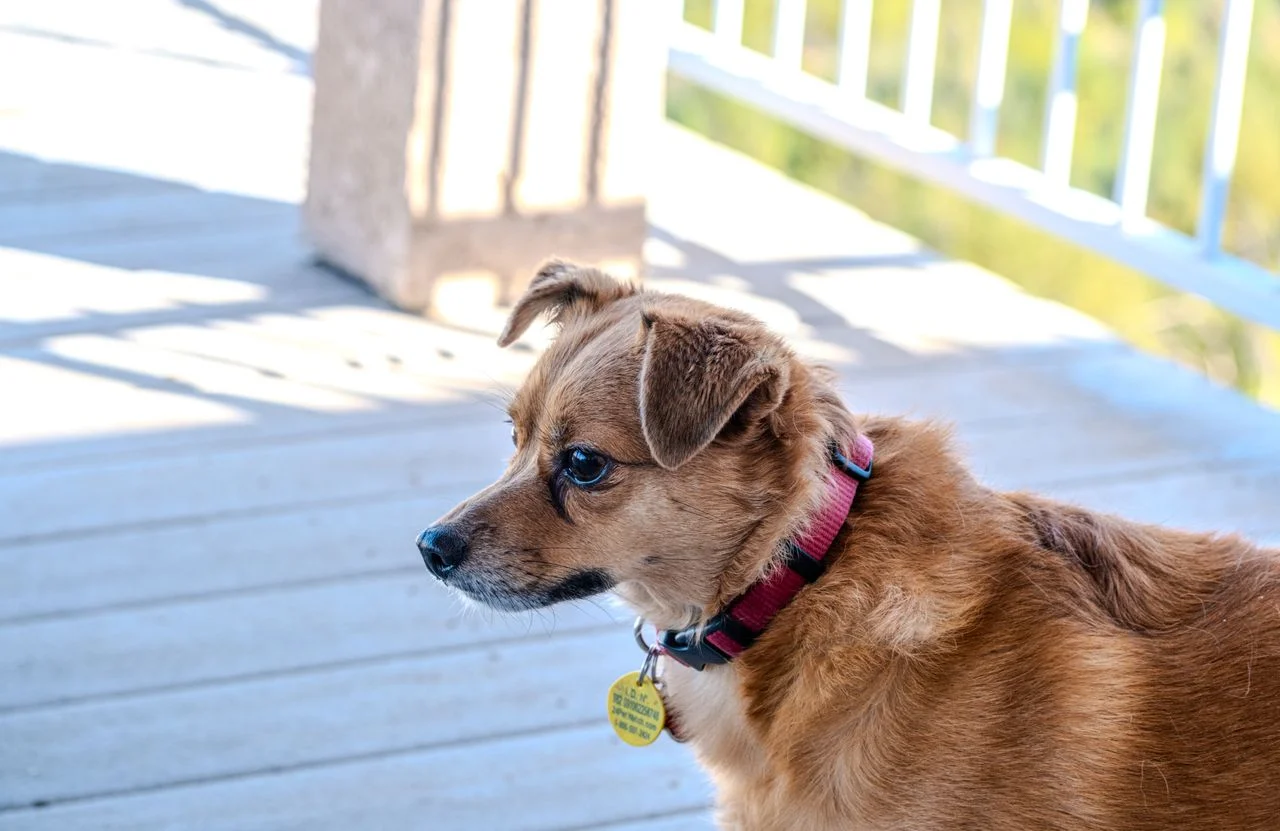
Microchips, GPS trackers, security cameras, and other technology used to locate lost pets can support the search in different ways. A microchip helps identify your dog after someone finds and scans it, while a GPS tracker may provide location data if your dog is wearing one.
Why Do Dogs Escape From the Groomers?
Dogs can escape from the groomers for various reasons. Fear, stress, and confusion are the most common of those. A grooming salon may introduce your dog to an unfamiliar environment; the groomer is new; other new clients, new pets, clippers, dryers, bathing, restraint, and sudden noises. So all these may trigger your dog's fear, stress, and confusion.
Research published in Applied Animal Behaviour Science found that “routine grooming procedures can produce measurable autonomic stress responses in dogs, with stress increasing during procedures such as restraint, nail trimming, bathing, and drying.”
Simply, it means that even a healthy dog that behaves normally may behave unexpectedly in the new grooming session.
Common triggers that may cause a dog to try to escape include:
- Fear or anxiety: A totally new grooming facility means new people, a new place, new sounds- all these could make your dog nervous.
- Loud Noise: Clippers, dryers, barking, or sudden sounds can startle your dog. Especially if your dog is too attached to the indoor environment.
- New handler: A dog suddenly can't take a new handler easily. And when that handler touches your dog’s body for a grooming session, your dog feels too nervous or uncomfortable.
- Sudden separation from the owner: When you let your dog be alone in the grooming session for grooming, and you leave that place, it may feel unwell. Dogs also may feel anxious when their owner leaves them alone in the salon.
- Stress from the grooming session: Bathing, nail trimming, drying, and other procedures may confuse your dog; thus, your dog may feel stressed.
- Getting an opportunity to escape: Some dog always waits for a chance to escape! Especially a bored dog, an adventurous dog, etc. So when you leave your dog alone in the salon, and when the groomer is busy with another staff member, your dog gets the chance to escape, and escape.
Who Is Liable If a Dog Escapes From the Groomer?
Never blame the groomer directly if your dog escapes from his/her facility. However, the groomer or grooming business may be liable if the escape resulted from negligence or a failure to use reasonable care, but liability is not automatic. Here comes the situation to decide who is really liable to take the missing charge. Also, state law is considerable here.
When the Groomer May Be Responsible?
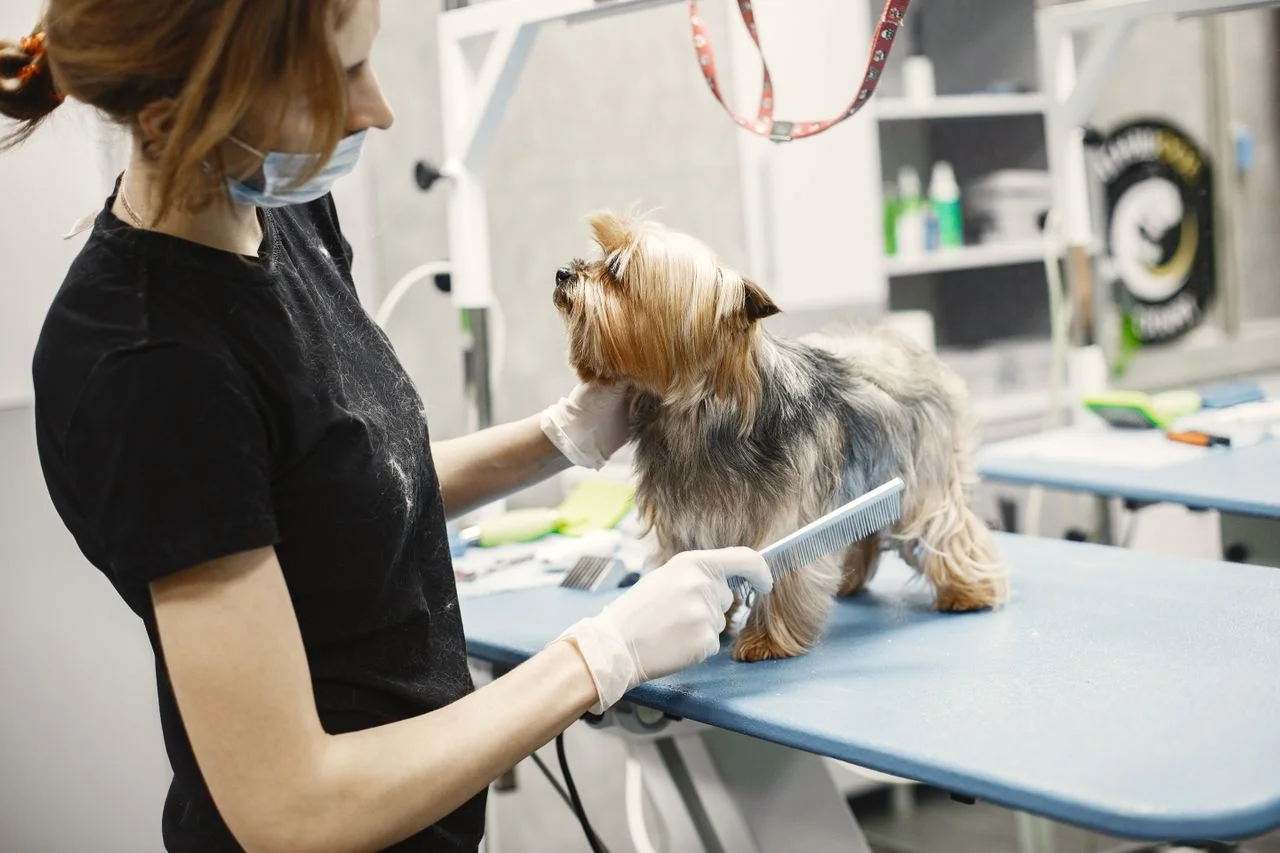
A groomer could be directly liable for your dog's losses when he or she cannot responsibly handle the dog's care in his/her salon. In fact, when you leave your dog at the groomer's shop, it's basically the groomer's liability to secure your dog.
The groomer may be responsible when-
- When he or she does not properly close the gate, door, crate, or kennel.
- The dog was allowed in an unsecured area.
- If the groomer fails to maintain the basic security of your dog at his or her facility. I mean if the normal security procedure for your dog fails due to negligence of the groomer.
- If the staff of the grooming facility fails to give proper coverage to your dog.
- The facility had a known safety problem and did not address it.
- And lastly, if the groomer is failing to follow any special instructions about the safety of the dog that are given by the owner.
When the Owner May Be Responsible?
The owner himself or herself also can be responsible when the dog escapes from the grooming facility. For example, if the owner failed to give the proper information about the dog's escape nature to the groomers, and if the dog escaped at that time, the owner is directly liable. Look, dogs' behaviour is an important matter everywhere.
Even in the groomer's facility, if your dogs have any escape tendency, you are supposed to transfer the information to the groomers. Otherwise, they will not take that much security to protect your dogs from escaping after getting minimal chances.
If you failed to disclose a known escape tendency, or gave inaccurate instructions that affected how the dog should be handled, you are liable for your dogs escaping, not the groomer. The exact outcome depends on the facts of the incident and the applicable state law!
What If the Dog Was Known to Be an Escape Risk?
When you are intending to take any reasonable precaution to save your dog from escaping, you should transfer valid information about whether your dog could jump fences, slip out of collars, become frightened easily, or has escaped before.
Look, a dog's previous behavior and escape nature are important for the groomers. Because when suddenly your dog escapes from the facility, the question will arise whether the groomer knows this important information, and whether you transfer this or not.
If your groomer knows this- I mean, you already let the groomer know about these- you can take a liability question towards the groomers.
As the groomers already know the potential risks, it may happen that the groomers did not take any reasonable care for your dog's safety. Courts have considered the circumstances surrounding an animal's escape, including the animal's behavior and the care provided by the person responsible for it. Details - The Animal League’s Pet Legal Advice
Always keep all records you have given your groomers about your dog's nature. Either text, emails, intake forms, grooming records, or written instructions can prove that you already informed your dog’s groomer about the habits/nature of your dog.
How to Prevent Dog Escapes in the Future
Preventing another escape from the groomer facility usually needs safety precautions from both the owner and the groomer. As the owner already knows about the escaping history of his/her dog, at the time of handing the dog to a groomer, its owner's responsibility to tell the groomer details about the escaping tendency. And when the groomer knows this dog has an escaping history, it's now the groomer's responsibility to take safety precautions for the dog. It's all about taking a few simple safety steps. Ultimately which can reduce the risk of a dog getting loose during grooming, handling, or transportation.
What Dog Owners Can Do
Choose a professional and renowned groomer who can take care of your dog's safety fully. Check the online reviews about the groomer. Secondly, tell the groomer how your dog becomes nervous, scared, or confused in an area. Also share information about your dog's previous escape history. Make sure your dog has an ID tag and updated contact information. A microchip can help you find a lost dog if someone finds your dog and takes it to a shelter or veterinary clinic. Keep a recent photo of your dog for emergencies.
What Professional Groomers Should Do
Every groomer should safely close the gate, doors, and windows when grooming a new dog. When the owners share the safety concern about the dog, the security issues should be maintained both inside and near the grooming facility. All the staff also need to be concerned about the dog. Whether during grooming or moving from one place to another inside the grooming facility, the groomer’s staff need to carefully handle the dog. All staff should have training about how to handle the nervous dog and how to ensure the safety of the dog who has an escape history.
Keeping the owner's contact information and a recent photo can also help in an emergency.
Conclusion
Dogs escaping from the groomers often can be stopped or prevented with proper care and safety precautions. Both the owner and the groomer should cooperate with each other to ensure the dog’s safety at every part of grooming sessions.
Of course, the owner mandatorily needs to share information about their dog's fear, anxiety, or escape behavior, while groomers should secure doors, use appropriate restraints, and monitor dogs closely during every stage of grooming.

Categories
- All Post

- Lost & Found Pet Tips
- Pet Behavior
- Pet Training
- Pet Food
- Pet Health
- Pet Care
- Pet Safety
- Others

 Pawmaw
Get Your Pet Back Home
Over 10 million dogs and cats are lost or stolen every year. You can report your missing pets with PawMaw.



 Pawmaw
How to Check If a Found Cat Has an Owner
Learn how to check for an owner using ID tags, microchips, local shelters, and online resources. Follow simple steps to help reunite a lost cat with i...
 Pawmaw
How to Check If a Found Dog Has an Owner
Learn how to check for an owner using ID tags, microchips, local shelters, and online resources. Follow simple steps to help reunite a lost dog with i...
 Pawmaw
How to Search Shelters for a Lost Pet!
Contact nearby animal shelters, share your pet’s photo and details, check intake records, and visit regularly. Expand your search to neighboring shelt...
Share:


Leave a Reply
Get Your Pet Back Home
Over 10 million dogs and cats are lost or stolen every year. You can report your missing pets with PawMaw. We can notify thousands nearby within a minute.


PawMaw is actively helping to search for your lost pets in your local area. Report your lost/found pets here and send a free alert instantly.